Camacho
Honduran handmade cigars rooted in Cuban-seed tobacco
- Founded
- 1962
- Founded by
- Simon Camacho
- Family
- Oettinger Davidoff AG
- Made in
- Honduras
- Factory
- Rancho Jamastran factory, Danlí, Honduras
- Lines here
- 8
Shop this brandBoxes from $175
The house
The story of Camacho
Simon Camacho founded Camacho Cigars in 1962. The company developed a specialty in handmade Cuban-seed cigars, and one of its popular cigars was named for Winston Churchill, who reportedly enjoyed Camacho cigars.
Following Simon Camacho’s death in 1990, the Eiroa family acquired the company in 1995. The family’s Honduran tobacco roots dated to 1963, when Julio Eiroa travelled to Honduras for tobacco dealer Angel Oliva and participated in a government-sponsored cultivation project. Julio later became an independent farmer and purchased government tobacco farms over successive years.
By the early 2000s, the Eiroa family and Camacho had become well known in the United States cigar industry following the launch of Camacho Corojo. In 2008, Camacho and the Rancho Jamastran factory in Danlí, Honduras, were sold to Oettinger Davidoff Group, while the Eiroas retained ownership of the Honduran tobacco fields.
Camacho is now among the cigar brands manufactured by Oettinger Davidoff AG. The group produces cigars in Honduras and the Dominican Republic and sources tobacco from several countries across the Americas.
Milestones
Moments that made the house
- 1962
Camacho founded
Simon Camacho founded Camacho Cigars.
- 1963
Eiroa cultivation begins
Julio Eiroa travelled to Honduras and helped lay the foundations of the family’s tobacco plantations through a government-sponsored project.
- 1972
Candela production expands
Julio Eiroa had become the world’s largest Candela tobacco farmer.
- 1987
Caribe Imported Cigars founded
Julio Eiroa founded Caribe Imported Cigars in Miami, Florida.
- 1990
Founder dies
Simon Camacho died in 1990.
- 1995
Eiroa acquisition
The Eiroa family acquired Camacho five years after Simon Camacho’s death.
- 2008
Oettinger Davidoff acquisition
Camacho and its Rancho Jamastran factory were sold to Oettinger Davidoff Group, while the Eiroas retained the Honduran tobacco fields.
Craft
How they make them
Camacho specializes in handmade cigars and is closely associated with Cuban-seed tobacco. Its Honduran production includes hand-rolled cigars using Honduran binders and fillers, while individual blends may incorporate leaf from elsewhere: Factory Unleashed #3, for example, combines a Mexican San Andrés wrapper, a well-aged Honduran binder, and Dominican and Honduran fillers. After five years of adopting Bayer standards, Camacho entered a Bayer Food Management partnership covering Good Manufacturing Practices and Good Agricultural Practices, including responsible natural-resource management, bio-friendly pesticides, industrial safety and biosecurity.
Details
Things most people don't know
- Churchill connection
- Winston Churchill reportedly enjoyed Camacho cigars, and the company named a popular cigar after him.
- Candela scale
- Julio Eiroa had become the world’s largest Candela tobacco farmer by 1972.
- Fields retained
- When Camacho was sold in 2008, the Eiroas retained ownership of the Honduran tobacco fields.
- Agricultural standards
- Camacho was described as the only tobacco company in history to comply with Bayer’s international GMP and GAP standards.
- Shaggy-foot release
- Factory Unleashed #3 was constructed with a shaggy foot extending beyond its Mexican San Andrés wrapper.
In the humidor
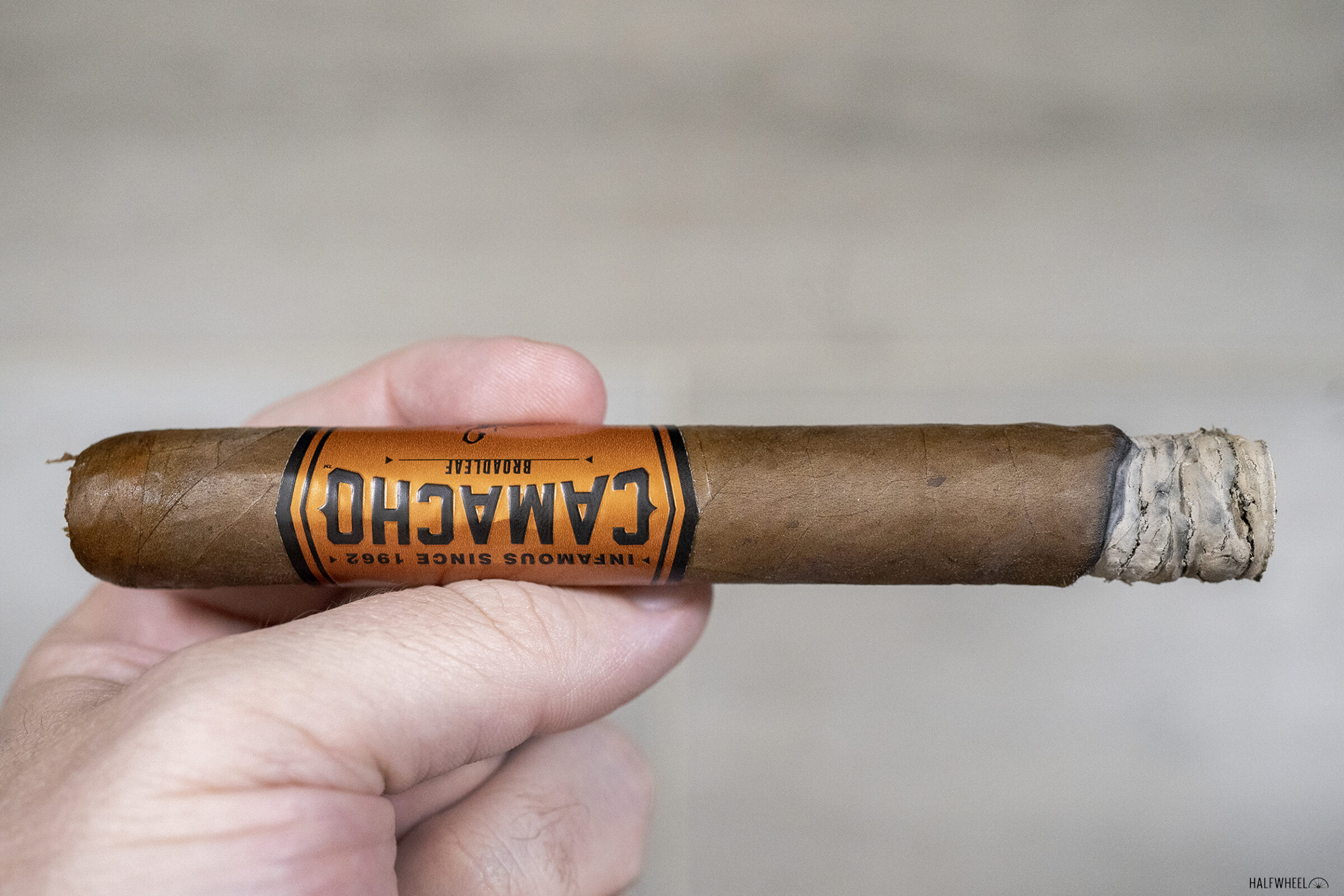
Camacho up close


Shop this brand