Gilberto Oliva
A Cuban tobacco legacy rooted in Nicaragua since 1969
- Founded
- 1995
- Founded by
- Gilberto Oliva Sr. and Gilberto Oliva Jr.
- Family
- Owned by J. Cortes Cigars since 2016, with five Oliva siblings still actively involved
- Home
- Miami Lakes, Florida, United States
- Factory
- 60,000-square-foot rolling facility in Estelí, Nicaragua
- Lines here
- 3
Shop this brandBoxes from $119

The house
The story of Gilberto Oliva
The family’s tobacco history began in 1886, when Melanio Oliva started growing tobacco in Pinar del Río, Cuba. His son Hipolito continued the operation from the 1920s, followed by Hipolito’s son, Gilberto Oliva Sr.
After the Cuban Revolution, Gilberto Sr. became a tobacco broker. He emigrated with his family to Spain in 1964 and later moved to Nicaragua, where he began growing tobacco independently in 1969. The Sandinista revolution prompted him to leave Nicaragua in 1979; over the following six years, he grew tobacco in Honduras, Mexico, Panama and the Philippines.
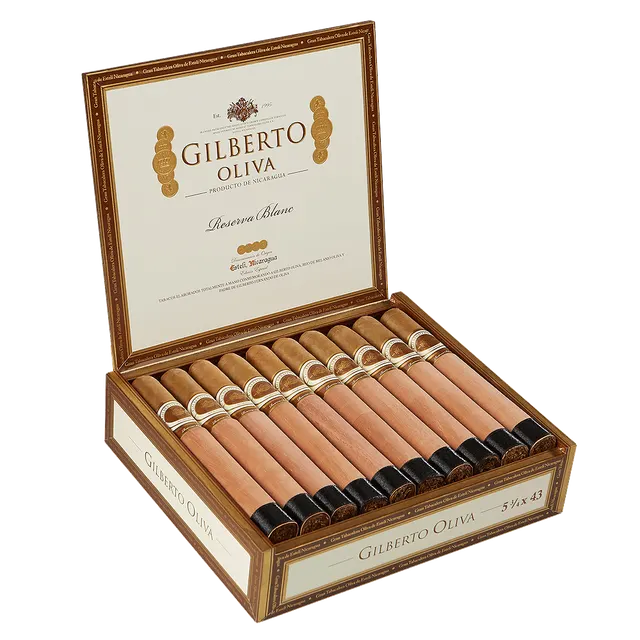
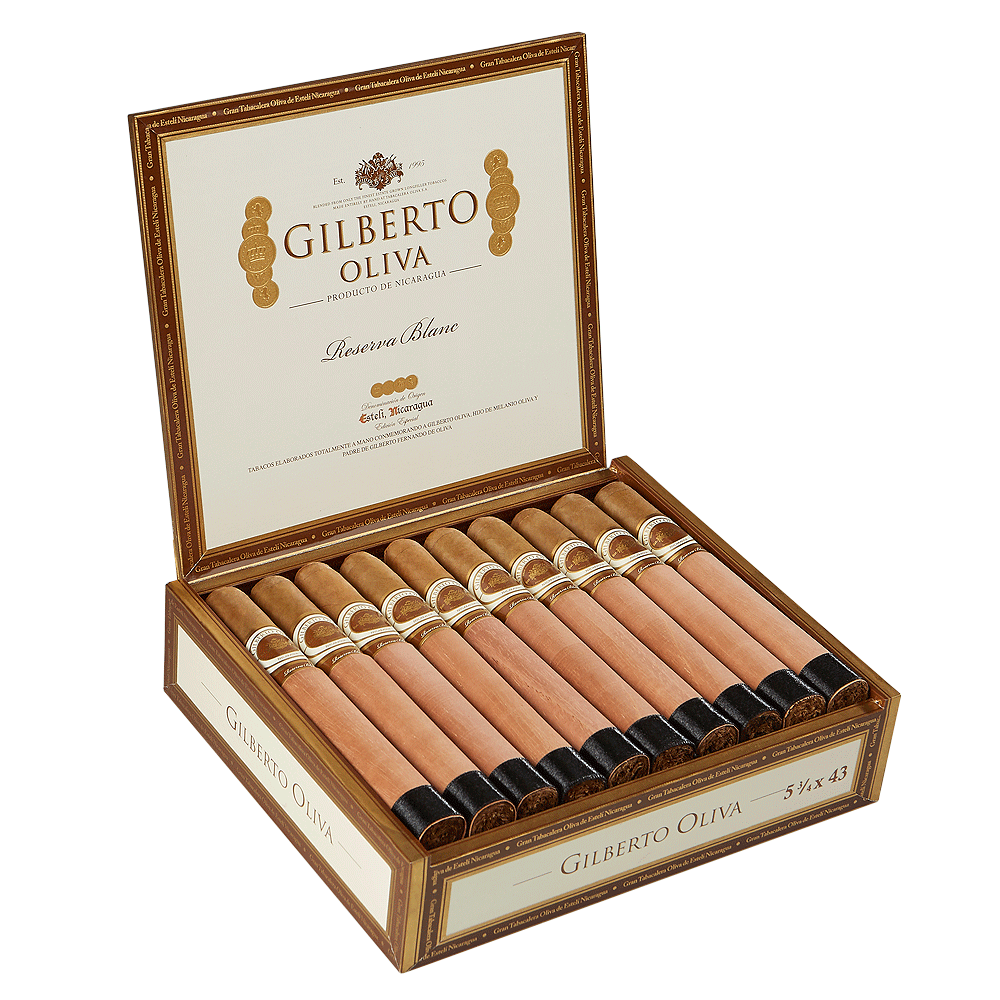
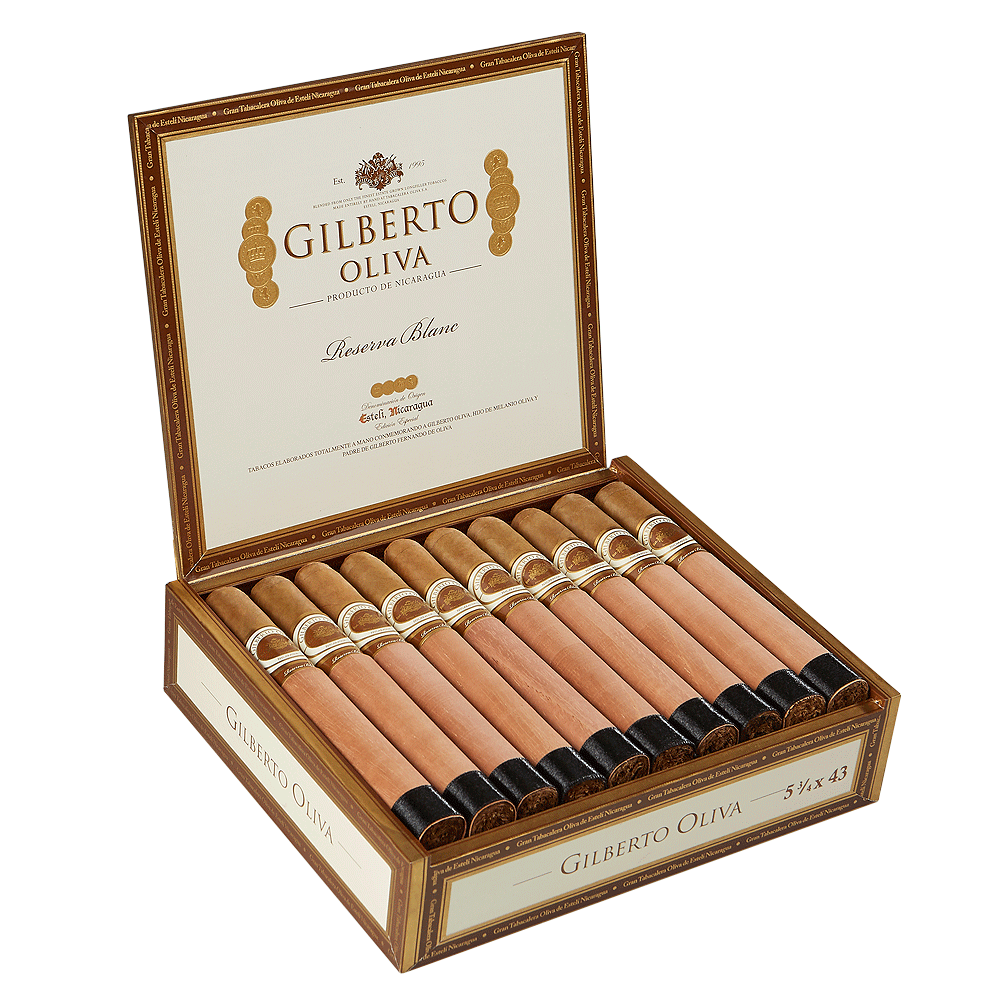
Gilberto Sr. returned to Nicaragua in 1995 and entered cigar manufacturing with his son, Gilberto Jr. They launched the Gilberto Oliva brand using one of Plasencia’s Honduran factories, initially combining Dominican and Nicaraguan fillers with Dominican binder and an Ecuadorian wrapper grown from Connecticut seed. The brand name was shortened to Oliva in 1996.
During the late-1990s contraction in the cigar market, the family relied on its stock of aged Nicaraguan tobacco. Producing Nicaraguan puros moved the business closer to self-sufficiency and helped establish its position in the market. Oliva opened a larger facility in Estelí in July 2003 and launched its flagship Serie V in 2006.
J. Cortes Cigars acquired Oliva Cigar Family in the summer of 2016. The five Oliva siblings, great-grandchildren of Melanio Oliva, remained active: Gilberto Jr. in leaf growing and blending, Carlos in production, Jeannie in the Miami Lakes office and José in sales.
Milestones
Moments that made the house
- 1886
Family tobacco beginnings
Melanio Oliva began growing tobacco in Pinar del Río, Cuba.
- 1964
Departure from Cuba
Gilberto Oliva Sr. emigrated with his family to Spain before moving to Nicaragua.
- 1969
Nicaraguan cultivation
After working for others, Gilberto Sr. began growing tobacco independently in Nicaragua.
- 1979
Second migration
The Sandinista revolution led Gilberto Sr. to leave Nicaragua and grow tobacco in several other countries.
- 1995
Gilberto Oliva launched
Gilberto Oliva Sr. and Gilberto Jr. launched the brand and initially used a Plasencia factory in Honduras.
- 1996
Name shortened
The Gilberto Oliva brand name was shortened to Oliva.
- 2003
New Estelí facility
Oliva opened a larger production facility in Estelí in July.
- 2016
J. Cortes acquisition
J. Cortes Cigars acquired Oliva Cigar Family in the summer while Oliva family members remained active in the business.
Recognition
Awards & honours
Best Cigars of 2008
Cigar Aficionado · 2008
Craft
How they make them
Oliva uses tobacco grown by the company in Nicaragua’s Estelí, Condega, Jalapa and Somoto regions. Its survival during the late-1990s market contraction depended on Nicaraguan tobacco that Gilberto Oliva Sr. had grown and left ageing in storage. The house subsequently made spicy Nicaraguan puros from this stock. Its principal cigars are rolled at a 60,000-square-foot facility in Estelí that was described as capable of producing 50,000 cigars per day; lower-end products are made at a smaller facility in Danlí, Honduras, before shipment to Nicaragua for export.
Details
Things most people don't know
- American-born sibling
- The youngest of Gilberto Oliva Sr.’s four children was born in Elizabeth, New Jersey, in 1973 because the family wanted an American-born child.
- Production growth
- Annual production rose from 6 million cigars in 2005 to 13 million in 2009.
- Estelí capacity
- The 60,000-square-foot Estelí rolling facility was described as capable of producing 50,000 cigars per day.
- Family roles
- After the 2016 acquisition, Oliva siblings remained involved in leaf growing, blending, production, administration and sales.
- American market
- Approximately 95% of Oliva’s sales were made to the American market.
- World championship cigar
- In 2025, Oliva became the official cigar of the Cigar Smoking World Championships with the Oliva Mareva created exclusively for the event.
In the humidor
Gilberto Oliva up close
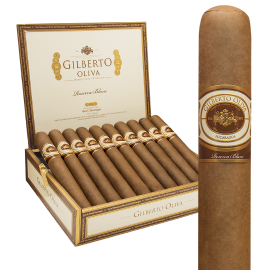


Shop this brand